Want to know something interesting? the safest way to angle a champagne bottle is to point it away from every person and breakable object, then hold it at roughly a 45-degree angle while you ease the cork out under control. Keep one hand firmly over the cork and cage throughout the process. With the other, turn the bottle—not the cork—slowly until the pressure pushes the cork free with a quiet sigh.
That method is simple, but the details matter. A Champagne cork can leave the bottle at startling speed, so a moment of care is more useful than a flourish. Whether you are opening a bottle for a weeknight toast or a formal dinner, the priorities are the same: choose a bottle suited to the occasion, store and chill it properly, angle away from guests, avoid breakables, and control cork release.
Why the Angle Matters
A sealed bottle of sparkling wine is under pressure. If the cork escapes suddenly, it can travel fast enough to injure someone or damage a lamp, window, picture frame, or glassware. A 45-degree angle gives you a comfortable position for holding the bottle and managing the cork, while directing the opening away from the room’s most vulnerable spots.
Think beyond the people seated at the table. Check the bottle’s path: is it aimed at a guest across the room, a child, a pet, a mirror, or a hanging light? Turn the bottle toward a clear, unoccupied area. Outdoors, keep it pointed away from the group and away from passing traffic. Never aim it at your own face, even briefly.
The angle is only one part of safe opening. A chilled bottle, a steady grip, and a hand over the cork help reduce the chance of a sudden release. The goal is not to make the cork fly dramatically. A restrained “sigh” is a sign that you have kept control.
Choose the Bottle for the Occasion
It is easier to open a bottle safely when it suits the gathering and is ready to serve. For an informal aperitif, a non-vintage Champagne is often a flexible choice: it is made to be approachable on release and can pair with a range of snacks. For a special dinner, a vintage Champagne or a bottle with a richer style may offer more depth alongside the meal. Rosé can be lovely with a celebratory brunch or a spread of salmon, roast poultry, or berry desserts.
Match the format to the size of the gathering, too. A standard 750-milliliter bottle is practical for a small group. A larger bottle may feel festive, but it is heavier and can be harder to handle—especially if you are also trying to pour. Ask someone to help steady or serve it rather than attempting an awkward one-handed opening.
Laurent-Perrier is one example of a Champagne house whose bottles might appear at a range of occasions, from a celebratory dinner to a casual toast. The important point is not the label but the bottle’s condition, serving temperature, and the care with which you open it. No prices were provided in the scraped content, so this guide makes no price comparisons or claims about what a particular bottle should cost.
spicy food with champagneStore Champagne Properly Before You Chill It
If you are keeping Champagne for more than a short time, store it in a cool, dark place with a steady temperature. A cellar or wine cabinet is useful; a consistently cool area around 10–15°C (50–59°F) is a sensible target. Keep bottles away from sunlight, radiators, ovens, and other sources of heat. Temperature swings can be more troublesome than a modest difference from an ideal number.
For longer storage, lay the bottle on its side so the wine stays in contact with the cork. Keep it somewhere with a little humidity, but not so damp that the label or packaging is likely to deteriorate. Avoid storing Champagne in a kitchen cupboard above the stove or beside a frequently used appliance. Those spots can warm up and fluctuate in temperature.
A refrigerator is useful for chilling a bottle before serving, but it is not the best long-term home for Champagne. The air is cold and dry, and a bottle left there for an extended period can lose some of its freshness. Plan to move the bottle to the refrigerator shortly before the occasion rather than keeping every celebratory bottle there indefinitely.

Get the Serving Temperature Right
Temperature affects both enjoyment and safety. A warm bottle is more likely to release pressure abruptly, while a bottle chilled too far can seem muted in aroma and flavor. For many non-vintage Champagnes, aim for about 7–9°C (45–48°F) when serving. Fuller-bodied or vintage bottlings are often more expressive closer to 9–12°C (48–54°F). Use the producer’s guidance when available; styles vary.
For a gradual chill, place the bottle in the refrigerator for around three to four hours, depending on how warm it is to start. If you are short on time, an ice bucket is an effective alternative. Fill it with a mixture of ice and water so the bottle is surrounded evenly; water fills the gaps between ice cubes and cools the glass more consistently. Allow roughly 20–30 minutes, checking the bottle rather than relying on the clock alone.
A bottle thermometer can help if you want precision, but you do not need specialized equipment to serve Champagne well. A cool bottle that has been handled carefully is better than one that has been left in a freezer, forgotten, or repeatedly warmed and chilled. Avoid putting Champagne in the freezer to speed things up: it is easy to forget, and freezing can damage the bottle or alter the wine.
Situation Practical approach What to watch for Longer-term storage Keep the bottle in a cool, dark, steady place; store on its side. Avoid sunlight, heat, and frequent temperature changes. Chilling ahead Use the refrigerator for a few hours before serving. Do not leave the bottle there as a long-term storage plan. Chilling in a hurry Set the bottle in an ice bucket filled with ice and water for about 20–30 minutes. Keep the bottle stable and check that it is not over-chilled. Opening Hold at about 45 degrees, point away from people and breakables, and keep a hand over the cork. Do not shake the bottle or let the cork fly.How to Open Champagne Safely and Quietly
Before you begin, set down anything you are carrying and make sure you have room to work. If the bottle is wet from an ice bucket, dry it with a towel so your grip does not slip. Keep it pointed away from guests and fragile objects from the moment you pick it up until the cork is fully removed.
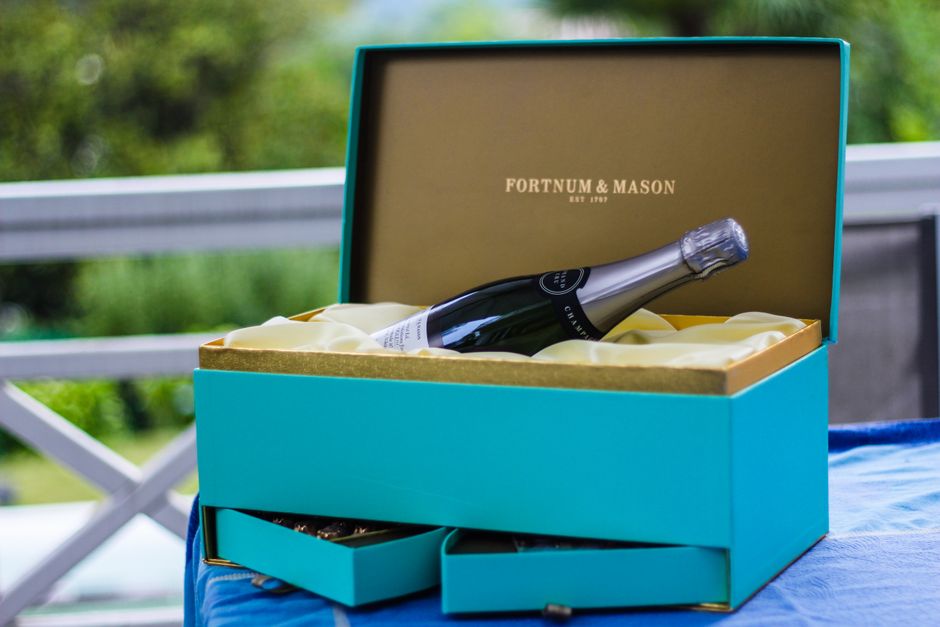
Keep the bottle angled away until the cork is fully free. Set the cork aside only after the opening is complete, and then pour slowly into clean, stable glasses. If the wine foams, pause briefly between pours rather than filling every glass to the brim at once.
Common Mistakes to Avoid
Pointing the Bottle Toward the Table
A cork can cross a dining room faster than you can react. That said, there are exceptions. The bottle should never be aimed at guests, even if everyone is waiting for the toast. Turn toward a clear area and double-check the line of fire. “Angle away from guests” is not just a useful phrase; it is the central rule of the opening.
Removing the Cage Before You Have Control
Taking the cage off completely can make a slippery cork harder to manage. Leave it in place while opening and keep your hand over both cork and cage. If the cork is especially tight, take your time. A towel can improve your grip, but it is not a substitute for keeping your hand firmly in position.
Twisting the Cork or Pulling Hard
Pulling the cork directly can lead to a sudden pop and a loss of control. Hold the cork steady and rotate the bottle instead. Slow, even movement gives you a better sense of the pressure as it releases.
Opening a Warm or Shaken Bottle
Do not shake Champagne to create a dramatic spray. Shaking increases foam and makes the release harder to manage. If the bottle has been jostled on the way home, let it rest and chill it before opening. A very warm bottle is also more likely to surprise you, so give it time in the refrigerator or ice bucket.
Choosing a Risky Location
“Avoid breakables” includes more than wine glasses. Move away from a chandelier, framed art, a television, windows, and anything delicate on the table. If the room is crowded, step into a clearer space rather than opening the bottle over people’s heads.
Make the Moment Feel Effortless
A quiet opening does not make an occasion less celebratory. It lets everyone enjoy the toast without flinching at a flying cork or watching foam spill over the table. Have the glasses ready, give yourself enough room, and let the bottle come to the right temperature before you begin. Small practical choices—the towel Visit this website for a wet bottle, the bucket placed within reach, the clear space you chose in advance—make the ritual feel composed.
When sharing the occasion online, keep safety in the picture as well as the label. A serving setup saved from Pinterest or posted to Facebook can be beautiful without staging a cork’s flight. Keep the bottle directed away from people, and capture the moment after it has been opened safely.
The Safest Angle, in Brief
Hold the bottle at roughly 45 degrees, point it into an empty area, and keep it away from guests and breakables. Keep your hand on the cork and cage, then rotate the bottle slowly until the cork releases with a sigh. Start with a properly stored, well-chilled bottle, and never shake it or force the cork. With those habits in place, opening Champagne can be both elegant and genuinely safe.