Hosting a game night—whether it’s around a console setup, a laptop driven card game, or a sprawling tabletop adventure—comes with its own unique challenges. Chief among them? Snack pacing and portion control. The secret to keeping players energized, engaged, and most importantly, free from the dreaded sticky-fingers-on-controllers syndrome, is all about how you portion those snacks.
In this guide, we'll delve into the art and science of offering small servings and bite-size portions to keep your guests munching happily and independently throughout your gaming event. Plus, I’ll share some hosting hacks informed by experience, and link them naturally to trusted organizations and helpful tools you might already have at home or access to online, including insights inspired by resources from the NHS, as well as inspiration from photographers like Eyestetix Studio and imagery from Unsplash.
Why Snack Pacing Matters on Game Night
Everyone knows that monster-sized pizzas and huge bowls of chips can do more harm than good during a fast-paced game. Overeating tends to slow down players, reduce concentration, and often promotes unsociable behavior around snacks—hovering, stealing, or sharing from one communal dish.
Instead, deftly controlled portions allow each guest to grab and go without interrupting the rhythm of play or the state of their equipment (looking at you, sticky controllers!). Smaller portions also let guests decide when and how much they want to eat throughout the night, matching their hunger & energy levels exactly.
Preparing Snack Portions Before Play: The Host’s Secret Weapon
Prep-before-play is a game-changer. By portioning snacks into small, identifiable servings before guests arrive, the host prevents crumb-mush chaos and the dreaded “Can I have some?” chorus that distracts from gameplay.
Tools to Make Prep Hassle-Free
- Ramekins or Small Bowls: Portion sauces, dips, and finger foods into individual ramekins to avoid cross-contamination and mess. Snack Trays with Compartments: Provide each player with their own divisioned tray to keep foods separate and avoid trail-and-tell crumbs on consoles or laptops. Serving Tongs or Small Spoons: Ensure guests don’t have to use fingers to scoop snacks, decreasing sticky hands.
One strategy I recommend is setting out a “controller-safe” snack list on your phone for reference (and future shopping). This list includes low-mess, easy-to-handle foods that will keep tabs and gamepads clean even during high-stakes matches.
Top Low-Mess Finger Food Suggestions
Based on years of trial and error, and advice from nutrition and hygiene experts, here’s my go-to lineup that aligns with NHS guidelines on healthy snacking while keeping mess to a minimum:
- Pre-cut vegetables (carrot sticks, cucumber slices, bell pepper strips) Bite-sized cheese cubes Mini rice cakes or wholegrain crackers Seasoned nuts and seeds (served separately to respect allergies) Popcorn (lightly salted or spiced without grease) Fruit slices (apple wedges, grapes, berries) — avoiding sticky syrups or dip
Most of these can be portioned into bite-size portions and pre-plated into individual snack bowls or trays. This approach encourages mindful snacking without ever losing game momentum.
Matching Snacks to Game Pace
The rhythm of your games should heavily influence the snack choices and serving sizes.
Fast, Action-Packed Sessions
Games like quick rounds on a console versus others call for highly portable, grab-and-go finger foods that don’t require cutlery or plates. Think popcorn, nuts, or vegetable sticks in small cups, so players can nibble between matches without missing a beat.
Slow, Strategy-Intensive Rounds
Longer turn-based board games or tabletop RPG sessions offer a chance for more leisurely snacking. Here, you can introduce slightly larger servings or dips alongside your bite-size items. Just remember to keep sauces in separate ramekins to avoid sticky cards or spillage on laptops.
General Rule
If your games require fast decision-making or frequent controller jockeying, avoid snacks needing cutlery or messy dips entirely. The fewer distractions, the better play.
Hydration-First: The Drink Strategy That Supports Snacking
Food isn’t the only consideration on game nights—hydration plays a critical role in maintaining energy and focus. The NHS recommends prioritizing water primarily, so always set https://smoothdecorator.com/dry-snacks-that-can-stay-out-all-night-for-gaming/ out plenty of chilled water first before turning to soda or alcoholic beverages.
Here’s my recommended drink arrangement for your table or console station:
Individual water bottles or glasses with reusable straws for sanitation and convenience. Optional flavored waters or herbal teas for variety. Separate small ramekins or coasters for hot drinks or alcohol to avoid spills.This hydration-first approach helps keep sugar and caffeine highs balanced, so players don’t crash mid-game.
Keeping Controllers, Cards, and Keyboards Crumb-Free
A key annoyance during any console or laptop game night is sticky controllers and crumb trails in keyboards. Years of hosting have taught me a few indispensable tricks:
- Pre-portion snacks into small, stable containers to minimize accidental spills or crumbs. Set a small waste bowl on the table before anyone sits down. This invites responsible disposal of shells, peels, and napkins. Ban messy snacks that require cutting or heavy fingers during rounds. Cross-reference your “controller-safe” snack list to keep only the most practical foods in rotation.
Visual Inspiration and Setup Ideas
Creating an inviting and practical snack presentation not only improves enjoyment but also makes your hosting duties easier. For inspiration, I often turn to photographers like Eyestetix Studio and curated visual communities like Unsplash for beautiful imagery of snack trays, game setups, and well-organized tables. These images help me plan my snack layout, considering lighting, container sizes, and how guests interact with snacks at the what are controller safe snacks table.
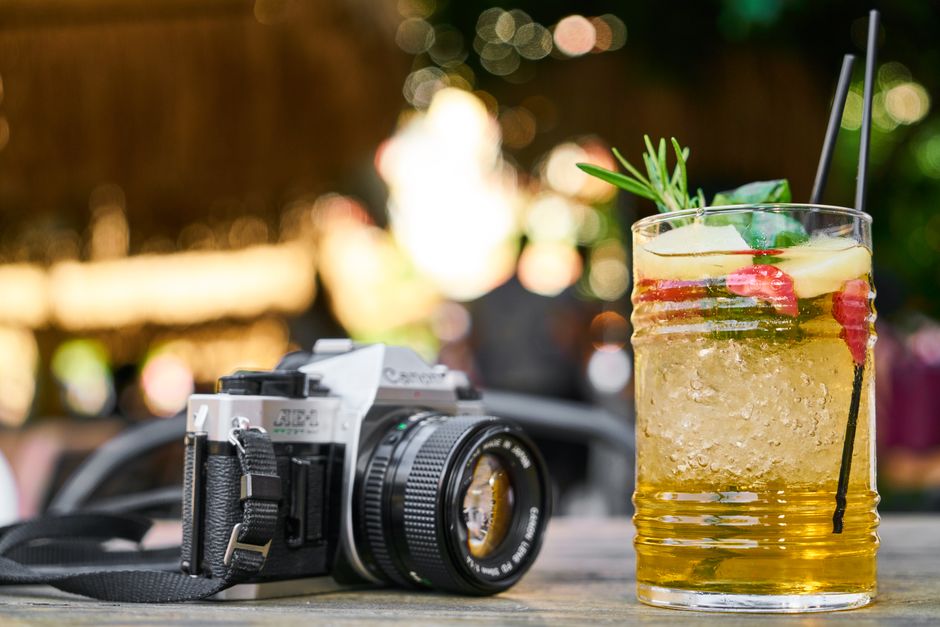
Sample Snack Portioning Table for Game Nights
Snack Type Portion Size Packaging/Serving Method Best for Game Pace Carrot & Cucumber Sticks 10-12 sticks per ramekin Individual ramekins or mini cups Fast-paced console Mini Cheese Cubes 8-10 cubes per tray Snack tray compartments Slow strategy board games Popcorn 1 small bowl (about 1 cup) Individual snack bowls Fast-paced rounds / casual play Fruit Slices (apple, grapes) 6-8 bite-sized pieces Small divided trays Slow paced, breaks allowed Nuts & Seeds 1 small handful (about 30g) Small bowls, with allergy warnings All paces, with cautionFinal Thoughts: The Joy of Snacking Done Right
Effective snack portioning is one of those hosting elements that feels subtle — but makes a huge difference in the overall success and enjoyment of your game night. Focusing on small servings, low-mess finger foods, and a hydration-first drink strategy helps keep players happy, hands clean, and play uninterrupted.
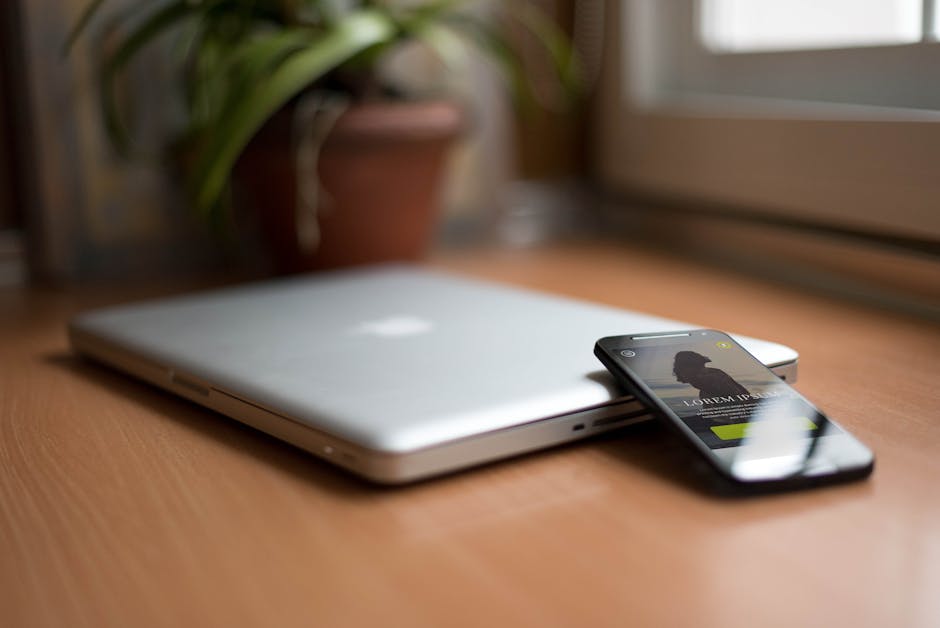
With a little advance prep and thoughtful presentation inspired by visual guides from Eyestetix Studio and Unsplash, plus nutrition support from institutions like the NHS, your snack game will be just as legendary as your choice of games.
Remember: The key to fantastic snack pacing is giving players the freedom to eat as they want, when they want—no mess, no fuss, just good food, good company, and great games.
Written by a seasoned game-night host and home cook with 10+ years’ experience orchestrating smooth, enjoyable gaming evenings.